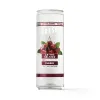

If you’ve been browsing cannabis or hemp products lately, you’ve probably come across the term Delta 8 THC—especially on drinks, gummies, and other infused products.
So what is it, exactly? And how does it fit into the growing world of THC beverages?
This guide breaks it down in plain English—no chemistry degree required. If you’re curious about Delta 8 drinks or just want to understand the basics before trying anything, here’s what you need to know.
Delta 8 Explained Simply
Let’s start with the core idea:
Delta 8 THC is a type of THC found in the cannabis plant—but usually in very small amounts.
Most Delta 8 products today are made from hemp-derived THC, meaning they come from hemp plants rather than traditional marijuana.
What Does “Hemp-Derived” Mean?
Hemp is a variety of cannabis that:
- contains very low levels of Delta 9 THC (the most well-known form of THC)
- is federally legal in certain forms under U.S. law
From hemp, producers can extract compounds and convert them into different cannabinoids—including Delta 8.
Why You’re Seeing It More Often
Delta 8 gained attention because:
- it sits in a unique legal and regulatory space
- it offers a different kind of THC experience (for some users)
- it’s being used in a wide range of products, including Delta 8 drinks
The key takeaway:
Delta 8 is still THC—it’s just a different form of it.
How Delta 8 Compares to Other THC Types
To understand Delta 8, it helps to compare it to the more familiar version: Delta 9 THC.
Delta 8 vs Delta 9 (High-Level)
- Delta 9 THC
- the most common type of THC
- found in traditional cannabis products
- typically associated with a stronger, more pronounced effect
- Delta 8 THC
- chemically similar, but not identical
- often described as producing a milder experience (by some users)
- commonly derived from hemp
Important Note on Effects
You’ll often hear people say Delta 8 feels:
- “lighter”
- “less intense”
- “more manageable”
But that’s not universal.
Delta 8 effects vary just like any THC product, depending on:
- dose
- tolerance
- metabolism
- environment
There’s no guarantee that one type will feel a certain way for everyone.
What People Should Know Before Trying Delta 8
If you’re considering Delta 8—especially in beverage form—there are a few things worth understanding upfront.
1. It’s Still Psychoactive
Even if described as “milder,” Delta 8:
- can still produce a noticeable high
- can affect perception and coordination
This isn’t a non-psychoactive product.
2. Effects Can Vary Widely
Your experience with Delta 8 depends on:
- how much you take
- how your body processes cannabinoids
- your prior experience with THC
Two people can take the same amount and feel very different effects.
3. Timing Matters
If you’re consuming Delta 8 in drinks or edibles:
- effects may take time to appear
- they may last longer than inhaled THC
This makes patience important.
4. Start Low, Go Slow
This applies to all THC—but especially for beginners.
A common starting point:
- 2.5 mg to 5 mg THC
Wait before taking more.
Delta 8 in Drinks: What to Expect
One of the fastest-growing categories is Delta 8 drinks—including seltzers and other infused beverages.
Why Drinks?
Delta 8 beverages offer:
- a familiar format (like sparkling water or soda)
- controlled, labeled dosing
- a smoke-free experience
They’re often used as:
- a social drink
- an alcohol alternative
- a casual, low-key option
How Delta 8 Works in Beverages
In most cases:
- Delta 8 is infused into the liquid evenly
- each serving contains a specific amount (e.g., 5 mg, 10 mg)
Some drinks use technology designed to:
- distribute cannabinoids consistently
- support a more predictable experience
What to Look for on Labels
If you’re considering a Delta 8 drink, check for:
- Total THC per can (e.g., 5 mg, 10 mg)
- Serving size (some cans contain multiple servings)
- Type of THC (Delta 8 vs Delta 9 or blends)
- Ingredients and flavor profile
- Brand transparency and testing info
Clear labeling is a good sign of a well-made product.
Flavor and Experience
Delta 8 drinks often come in:
- citrus
- berry
- tropical
- herbal flavors
The goal is usually:
- a clean, refreshing taste
- minimal cannabis aftertaste
Brands like Hello Seltzer focus on making the experience:
- approachable
- easy to understand
- aligned with social, drinkable moments
Safety and Legality
This is where things get more nuanced.
Legal Status: It Depends
Delta 8 exists in a complex legal landscape.
In the U.S.:
- some states allow it
- others restrict or ban it
- regulations are evolving
Always check your local laws before purchasing or consuming Delta 8 products.
Safety Considerations
Like any THC product, Delta 8 should be used responsibly.
Key points:
- Start with a low dose
- Avoid driving or operating machinery after use
- Don’t mix heavily with alcohol
- Use in a comfortable environment, especially at first
Why Product Quality Matters
Because Delta 8 is often derived through conversion processes, quality control is important.
Look for brands that:
- provide third-party testing
- clearly label ingredients and potency
- avoid vague or incomplete information
Where Delta 8 Fits in the Bigger Picture
Delta 8 sits somewhere between:
- traditional cannabis products
- and newer hemp-derived THC options
For some people, it becomes:
- a stepping stone into THC
- a lighter-feeling alternative (subjectively)
- a convenient option in drink form
For others, it’s just another option among many.
Final Thoughts: A Beginner-Friendly THC Option—With Caveats
So, what is Delta 8?
It’s a form of THC—often hemp-derived—that shows up in products like Delta 8 drinks, gummies, and more.
It’s popular because:
- it’s accessible in certain markets
- it fits into familiar formats like beverages
- some users describe it as more approachable
But it’s not risk-free or identical for everyone.
If you’re curious:
- start low
- go slow
- pay attention to how your body responds
That’s the best way to decide if it fits into your lifestyle.